Rock paper scissors is supposed to be random. Three equal options, no information, no strategy. Just pick one and hope. That is the whole game.
Except it is not quite that simple. The numbers tell a more interesting story.
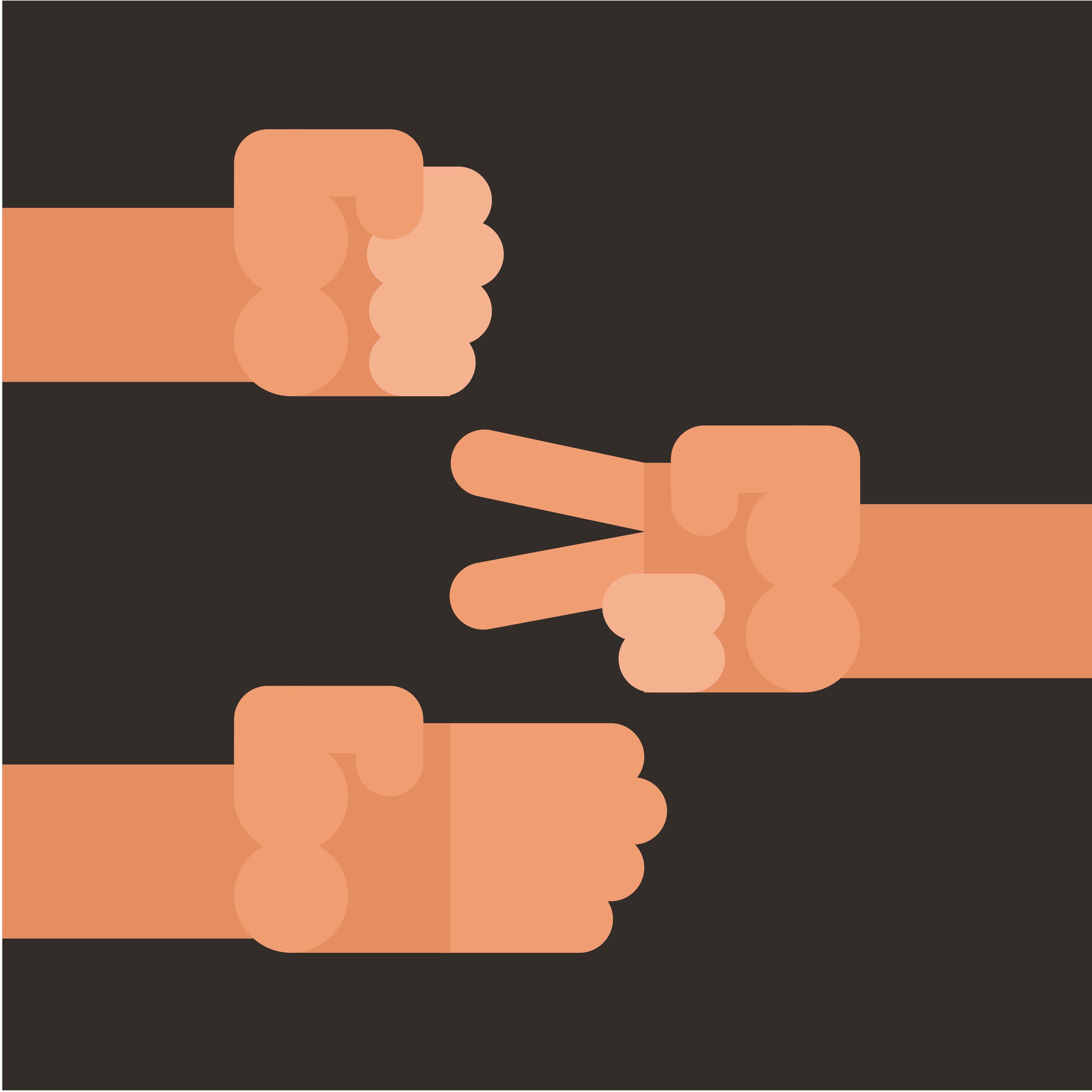
Nobody picks scissors first
If rock paper scissors were truly random, each option would be chosen about 33 percent of the time. The actual breakdown, according to data from the World Rock Paper Scissors Association across thousands of competitive matches, looks like this:
Rock: 35.4 percent Scissors: 35.0 percent Paper: 29.6 percent
Paper is chosen significantly less often than the other two. Nobody knows exactly why. One theory is that rock feels instinctively aggressive and powerful, scissors feels active, and paper feels passive, so people avoid it without realising. Another is that rock is the most natural closed-fist position and requires the least physical effort to throw, so it becomes the default when someone has not thought carefully about their choice.
Whatever the reason, the statistical implication is clear. If you have no other information about your opponent, throwing paper gives you a very slight edge.
Winners repeat, losers switch
In repeated games against the same opponent, a consistent pattern emerges from the research. Players who win a round tend to repeat their winning move on the next throw. Players who lose tend to switch.
This sounds obvious once you say it out loud, but it is exploitable in a way that is not obvious. If your opponent just beat you with scissors, there is a better than random chance they will throw scissors again. Which means rock is a better than random choice for your next move.
The same logic works in reverse. If you just won with rock, a good opponent knows you are likely to repeat it and will throw paper. Knowing that you might throw scissors to catch them anticipating your rock. And so on. The game becomes less about randomness and more about reading a specific person's tendencies and second-guessing their second-guessing.
Can you actually be good at it?
Yes, against human opponents. Not because you can predict truly random choices, but because human choices are not truly random.
People are terrible at generating randomness. When asked to behave randomly, humans fall into patterns they do not notice themselves making. They cycle through options predictably. They avoid repeating the same throw three times in a row even when random behaviour would require it sometimes. They throw rock when angry, scissors when calm, and switch away from whatever just lost.
A player who understands these tendencies and watches for them in a specific opponent will win more often than chance alone would predict. Researchers studying large-scale rock paper scissors play found a "win-stay, lose-shift" pattern: winners tend to repeat their throw, while losers switch to the next option in sequence, a predictable habit an aware opponent can exploit.
That said, this advantage shrinks significantly against someone who also understands the game and is actively trying not to be predictable. At high levels of play, both players know the same patterns and are working to avoid them, which pushes the game back toward something closer to genuine randomness. The World Rock Paper Scissors Association has run competitive tournaments since 2002 with over 500 participants, and the existence of consistent top performers suggests skill is real, but the margins are small.
Against a computer it really is random
When you play the AI in the rock paper scissors mode on this site, you are playing against a genuinely random number generator. There are no patterns to exploit, no tendencies to read, no psychology to second-guess. Every throw is statistically independent from every other throw. The best you can do against a truly random opponent is match their randomness, which gives you a 33 percent win rate, 33 percent loss rate, and 33 percent draw rate over time.
This is actually the correct theoretical strategy in game theory terms. The Nash equilibrium for rock paper scissors is to choose each option exactly one third of the time with genuine randomness. Against a perfect random opponent, no strategy does better than this.
Against a human opponent, as the numbers above show, you can do better.
The short version
Rock is the most popular throw. Paper is the least popular. Winners repeat, losers switch. Human choices are not random even when people think they are, which means skill is real, at least against other humans.
Against the computer, just pick whatever you want. It genuinely does not matter.
Play rock paper scissors free →
Sources
- The surprising psychology of rock paper scissors - Psychology Today, World Rock Paper Scissors Association frequency data
- How to Win at Rock-Paper-Scissors - MIT Technology Review, on the "win-stay, lose-shift" pattern and exploitable tendencies
- Rock Paper Scissors Statistics: The Real Numbers Behind the Game - World Rock Paper Scissors Association, throw frequency data